Skip to content
How Physiotherapy Can End Your Headaches

How Physiotherapy Can End Your Headaches

Headaches Muscle Strain Neck Pain Tension Fatigue
While some headaches begin suddenly, others develop gradually like a grating background noise. You may attribute the blame to stress, long workdays, or dehydration. However, the neck can actually be the source of chronic or recurrent headaches for a lot of people.
This overlooked connection is one reason so many people cycle through painkillers, eye tests, and guesswork without lasting relief.
At City South Physio, we see this pattern almost weekly, especially among office workers, students, and anyone spending hours in “forward head posture.”

Why Some Headaches Actually Start in Your Neck (Understanding Cervicogenic & Neck-Related Headaches)

A headache that originates outside of the brain is known as a cervicogenic headache (CGH). Rather, it is caused by issues with the cervical spine, which includes the neck muscles, joints, discs, and upper vertebrae.

Pain doesn’t always remain localised when these structures become inflamed, stiff, or overworked. Pain may radiate upward toward the skull, temples, or the area surrounding the eyes because the nerves in the upper neck share pathways with those in the head and face.

In our clinic, we frequently see the following symptoms:

  • – One-sided head pain that may switch sides occasionally
  • – Pain beginning in the neck and radiating to the head or face
  • – Headaches worsened by neck movement or prolonged posture
  • – Limited range of neck movement or visible stiffness
  • – Aching or sharp neck pain during or after headaches

Most people aren’t aware of how this works. They simply notice a headache and never think to question their neck mobility or alignment. Poor posture, especially the classic “forward head” position caused by prolonged use of laptops and phones, is one of the biggest culprits. Postural strain compresses the upper cervical joints, overloads the neck muscles, and can even alter the function of the shoulder and upper back.

Another complexity: cervicogenic headaches often mimic migraines or tension headaches.

This leads many sufferers to go years without receiving targeted treatment. A thorough assessment of the neck is key. This is exactly where physiotherapists are uniquely equipped to help.

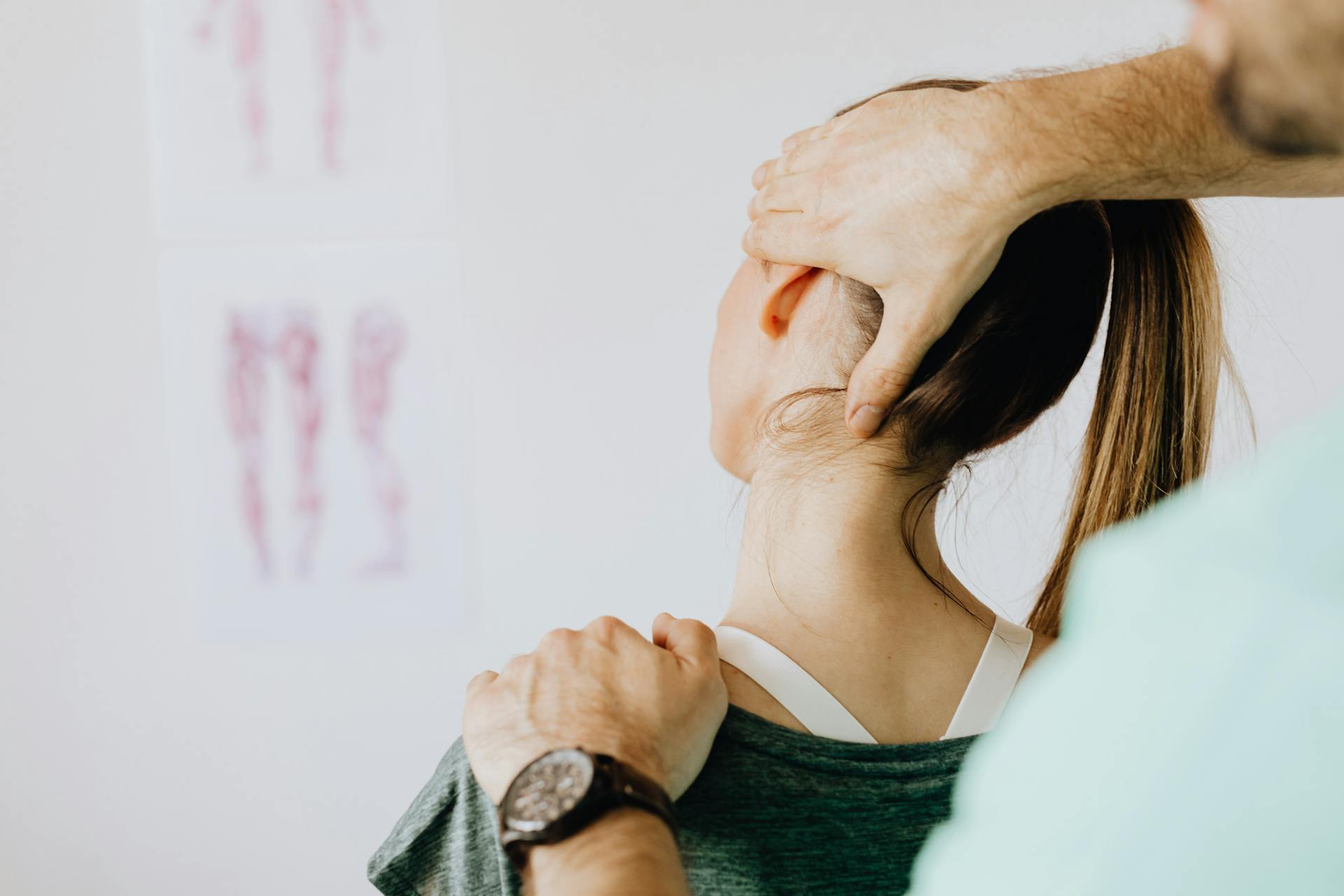
Can Physio Help with Headaches? And When It’s the Right Choice

For headaches involving neck stiffness, joint dysfunction, or muscle imbalance, physiotherapy works wonders. Physiotherapy finds and cures the underlying cause of symptoms, in contrast to medications, which only momentarily dull them.

When someone arrives at City South Physio after years of medication cycles, the common reaction after their first tailored physio session is some version of: “I wish someone had checked my neck sooner.”

Physio can help when:

  • – Headaches worsen after sitting at a desk or driving
  • – Pain radiates from the neck into the head
  • – You experience recurring headaches lasting weeks or months
  • – Painkillers provide a limited or temporary benefit
  • – Turning your head or slouching can trigger symptoms

A physiotherapist looks at the following during an assessment:

  • – Mobility of the neck joints, particularly the upper cervical joints
  • – Tightness and tone of muscles in the shoulders and neck
  • – Alignment and posture when sitting, standing, or working
  • – Movements and lifestyle choices that exacerbate symptoms

This assessment aids in determining whether the headache is caused by tension, the neck, or something else entirely, such as migraines. A physiotherapist can direct you to the appropriate referral channel if another cause is detected. Correct diagnosis is liberation, but knowledge is power.

Physiotherapy for Tension Headaches and Headaches Associated with Neck Pain

It’s common for people to categorise all headaches. However, cervicogenic headaches and tension-type headaches (TTH) are not the same.

Usually, a tight, symmetrical “band” around the head is how tension headaches appear. They may not originate in the neck, yet the neck and shoulders still influence them significantly.

Long hours sitting in one position, especially hunched over screens, cause the muscles at the base of the skull, shoulders, and upper back to contract and stay tight. Over time, these muscles send pain into the head.

We can think of it as a “tension chain”: stiff upper traps → overloaded neck extensors → pain rising toward the scalp.

Physiotherapy for tension headaches focuses on:

  • – Relaxing overloaded muscles through soft tissue treatment
  • – Restoring postural balance with simple, specific exercises
  • – Improving strength in the deep neck and upper back muscles
  • – Ergonomic modifications to disrupt the cycle of tension

Changes in lifestyle are equally important.

One lengthy stretch at the end of the day is not as effective in relieving neck tension as a two-minute stretch break per hour. Most people only need to quit maintaining the same position for extended periods of time; they don’t need to have “perfect posture.” The remedy is movement, not perfection.

How Does Physiotherapy Treat Headaches (Techniques & What to Expect at City South Physio)

A headache treatment plan at City South Physio isn’t a generic sequence of massage and exercises. Every plan starts with assessing which structures are overloaded and why. Once we know the source, treatment may include:

  • – Manual therapy and joint mobilisations to restore neck movement
  • – Soft tissue release or massage targeting upper traps, suboccipitals, and shoulder muscles
  • – Strengthening the neck and upper back, particularly the deep stabilisers
  • – Postural education and ergonomic advice, tailored to your work habits
  • – Dry needling, when appropriate, for muscle trigger-point relief
  • – Home exercises are designed to maintain what was achieved in the session

A few common exercises include:

  • – Chin tucks: gentle retraction to improve cervical spine stability
  • – Neck retraction: against gravity or a wall: building postural strength
  • – Shoulder blade retraction training: offloading neck muscles
  • – Upper trapezius and levator scapulae stretches: reducing mechanical tension

Progress isn’t merely pain reduction. We aim for changes that last: improved neck endurance, better posture habits, and a nervous system that doesn’t constantly interpret neck strain as head pain.

Why Headache and Neck Pain Often Go Hand in Hand

The neck and head share nerve pathways that can confuse the body into “thinking” pain is located somewhere else. This is known as referred pain. The brain perceives discomfort in the neck muscles or joints as a headache. In the body’s communication system, it resembles static interference.

Headaches associated with the neck may result from:

  • – Arthritic or degenerative changes
  • – Inflammation of the cervical disc
  • – Whiplash or trauma
  • – Repetitive strain from posture or work tasks

If the neck isn’t examined, many people spend years treating symptoms instead of causes. Headaches should never be treated in isolation when neck dysfunction is present. A targeted physiotherapy assessment often reveals the missing piece.

Why Choose City South Physio for Your Headache Relief

City South Physio has served the South Melbourne community for more than 35 years. In that time, we’ve treated thousands of people dealing with neck pain, posture-related strain, and headaches driven by cervical dysfunction. Our approach combines experience with evidence-based care and individualised treatment, and not just a one-off “quick fix.”

We focus on long-term improvement. That means:

  • – Assessing the entire neck–shoulder–posture connection
  • – Using hands-on therapy when needed
  • – Strengthening weak areas for lasting change
  • – Educating you so headaches don’t come back

Whether you spend your days lifting, typing, studying, or scrolling, neck-driven headaches don’t need to be a lifelong problem. With the right physio and the right approach, headaches can be stopped rather than just managed.