Skip to content
Hamstring Strains: How to Recover Properly and Prevent a Re-Injury

Hamstring Strains: How to Recover Properly and Prevent a Re-Injury

Muscle Strain Tension Fatigue
Hamstring strains are one of the most common injuries in running and field sports, and also one of the most frustrating to recover from. They often feel better within a few days, but returning too soon without proper rehabilitation can lead to repeat injuries. At City South Physiotherapy in South Melbourne, we guide athletes through the full recovery process so they can return to play, confidently and safely. 

Understanding hamstring strains

A hamstring strain occurs when the muscle fibres at the back of your thigh become overstretched or torn. This can happen during sprinting, kicking, or during sudden acceleration. The most affected muscle is often the biceps femoris, particularly near its upper tendon attachment at the ischial tuberosity of your pelvis. 

Common causes of hamstring strains

  • – Sudden acceleration of deceleration during sprinting or direction changes
  • – Muscle imbalances, particularly weak glutes or tight hip flexors
  • – Poor hamstring flexibility or inadequate warm-up before high-speed drills
  • – Fatigue or inadequate conditioning, particularly late in games or trainings
What does the research say on hamstring strains?

Studies show that most hamstring re-injuries occur within the first few weeks or return to sport, usually became athletes regain pain-free movement before regaining strength and power. Eccentric strength (lengthening contractions) plays a significant role in preventing recurrence. 

Hamstring Strain Rehabilitation Principles

  1. 1. Restore range of motion early in the prevention of stiffness
  2. 2. Progressive Loading: beginning with isometric (static) holds and gradually introducing eccentric work such as Nordic Curls. 
  3. 3. Functional Strengthening: glutes, hamstring and core to improve muscular imbalances and improve co-ordination
  4. 4. Running Re-Education: progressing from jogging to sprint drills based on pain-free milestones

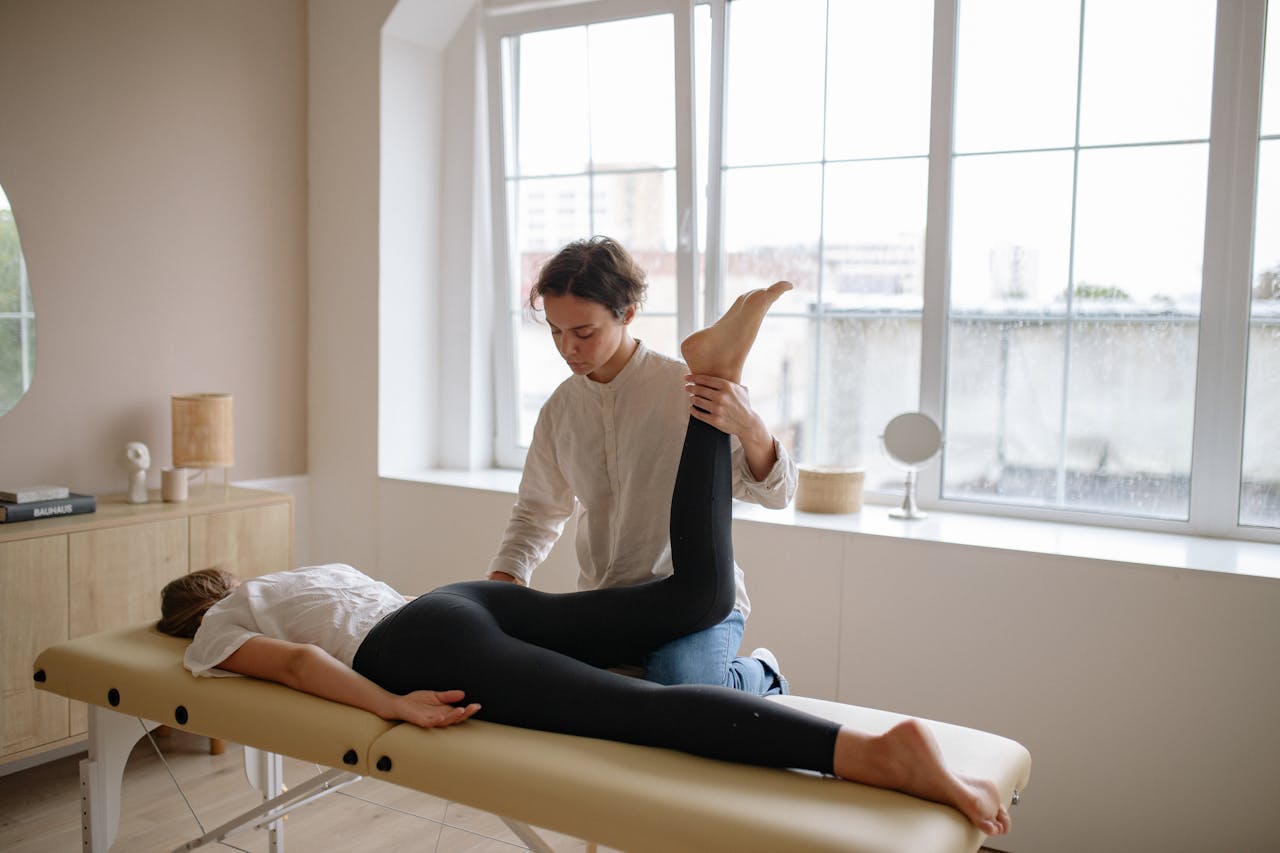
How Will Physiotherapy Help Your Hamstring Injury

Your physio will assess the location and severity of the tear, identify contributing weaknesses, and create a staged management plan that is specific to your sport. At City South Physiotherapy, we use force testing and analysis techniques to measure your progress objectively, ensuring you don’t rush back too soon. 
Ready to get back to full speed? Book an appointment with our physiotherapy team in South Melbourne to build a strong, confident, and effective return to play.