Skip to content
How to stay active over 60: the best mobility and strength tips

How to stay active over 60: the best mobility and strength tips

Mobility
Getting older doesn’t have to mean slowing down. With the right plan, you can keep your balance sharp, your strength up, and your joints moving well. At City South Physiotherapy in South Melbourne, we help older adults stay independent, active, and confident.

Why mobility and strength matter as you age

As we age, it’s normal to lose some muscle mass and balance. While this is a normal part of aging, the less we use theses muscles, the more we lose them. The fix isn’t complicated: consistent strength training, regular stretching and walking, cycling or swimming will all go a long way toward staying steady on your feet and protecting your joints.
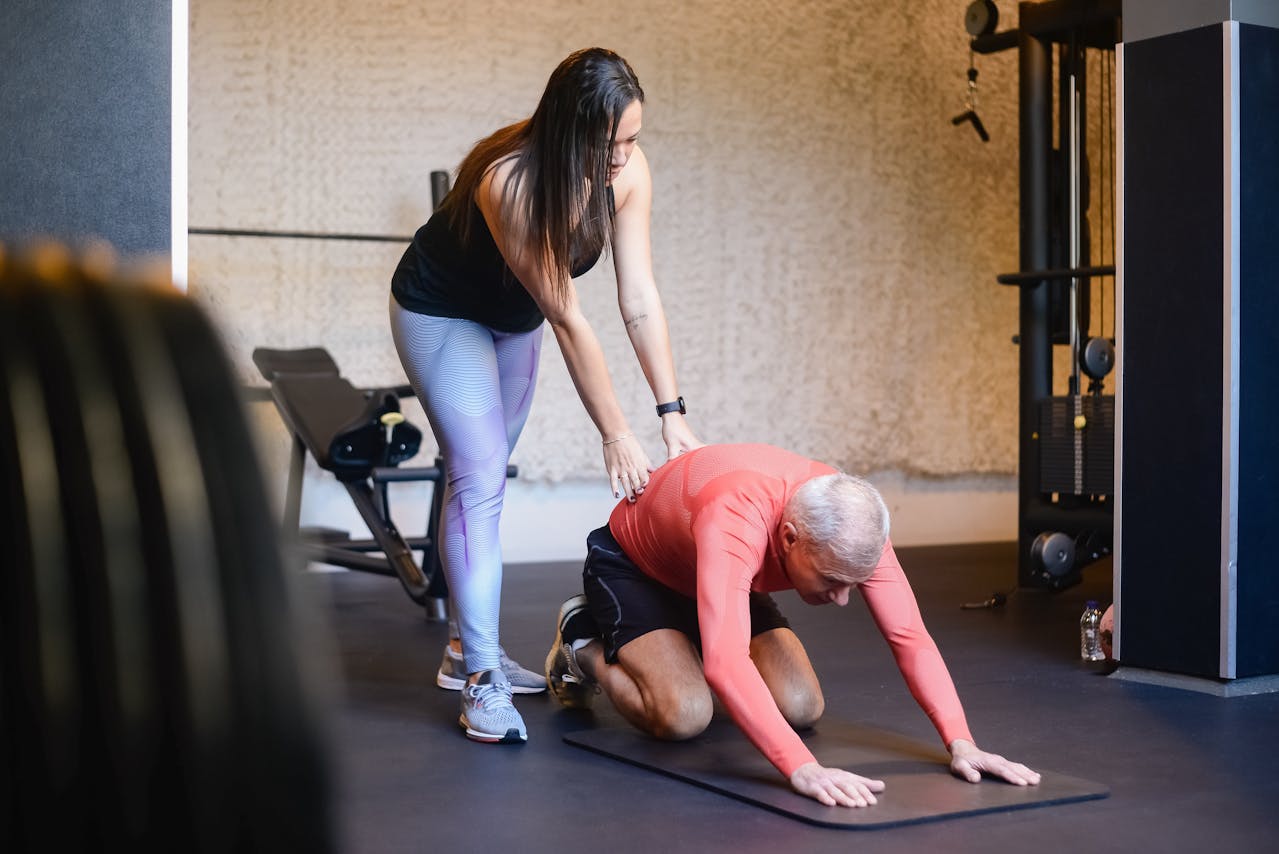
Our pillars of healthy ageing and staying active

  1. 1. Strength training 2–3 days/week. This is the minimum level to maintain your lean muscle mass per week, every week. Your exercise program should focus on the major muscle groups that are required for keeping you upright. These include your leg muscles like your quads, hamstrings, glutes and core. Upper body weights are also important to reduce your risk of broken wrists or shoulders. Like all good strength programs, if this is new for you, you should always start light and build up the resistance gradually over a period of 8-12 weeks. 
  2. 2. Balance practice. Single-leg stands, heel-to-toe walking, and stepping drills build confidence and reduce falls risk. A lot of falls also happen overnight when people get up to go to the toilet, so building your balance capacity when your eyes are closed is a great way to condition your body to this. There are risks in doing this, so make sure a trained physiotherapist is prescribing you these exercises.
  3. 3. Cardio, but something you enjoy. Walking, swimming, or cycling — little and often is perfect. Recommended dosage is 60 minutes of gentle exercise, every day. If this feels too far away for you now, you can always break it up into 2 or three blocks periodically throughout the day.
  4. 4. Mobility. Gentle stretches for calves, hips, and spine keep you moving freely. Stretching is one of the fastest ways to change how you move, provided you’re doing it every day. Find the time for 5-10 minutes per day of stretching and you will notice the difference in just one week!
  5. 5. Pain management. Stiff knees or sore backs don’t disqualify you — we adapt exercises so you can still train safely. But, if exercises are too sore for you, the chances are you won’t want to do them. So speak to your doctor or pharmacist about strategies you can employ to control your daily pains. 

How physiotherapy can help you stay active as you age

We’ll assess your current ability, any aches and pains, and what you want to get back to — gardening, travel, golf, or keeping up with the grandkids. Then we’ll build a plan that’s simple, achievable, and progressive. Group Clinical Pilates or individual sessions can be great options to keep you consistent, and all doing it under the supervision and watchful eye of our trained physiotherapists

Want to stay strong, steady and mobile? Book an appointment at our South Melbourne clinic — we’ll help you build a safe plan to keep moving well for years.