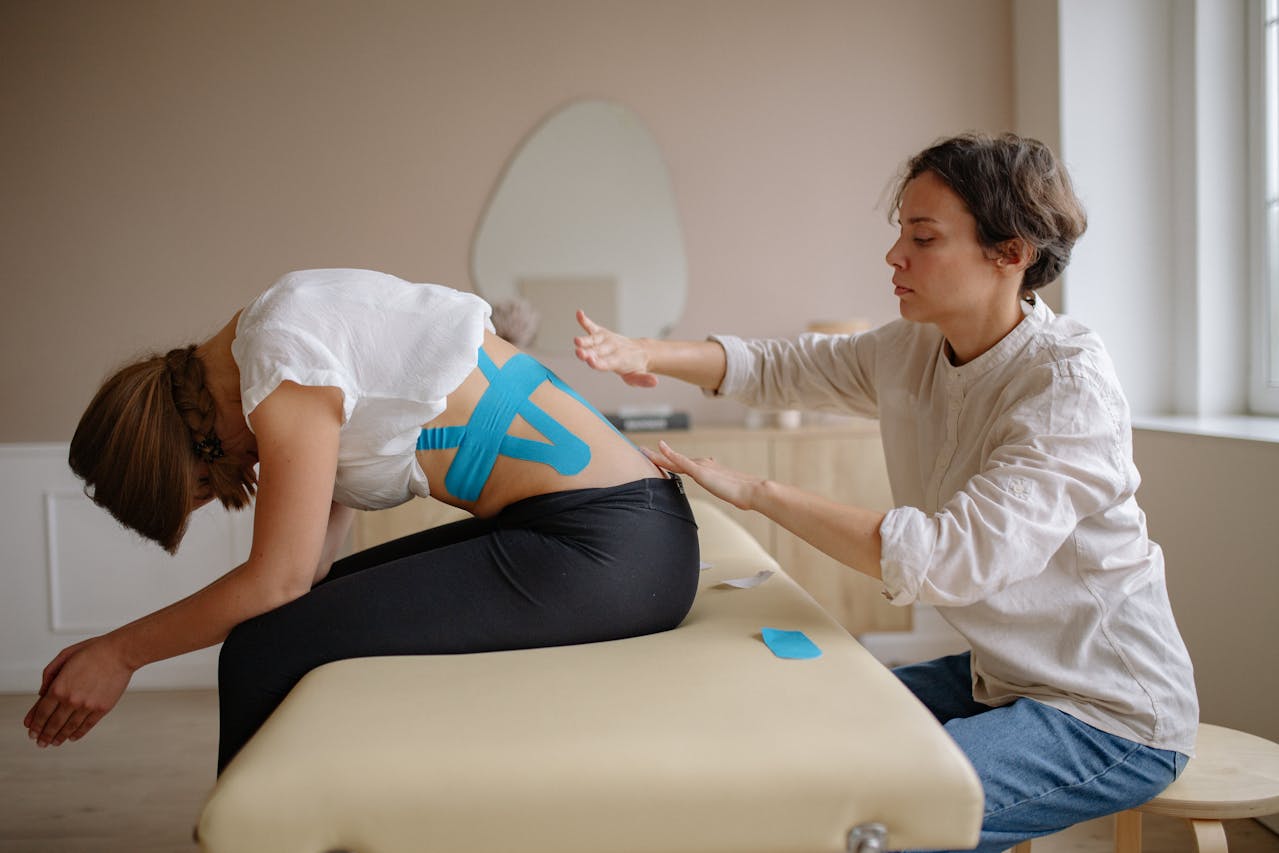
Let’s be honest, just about everyone’s had a run-in with lower back pain at some point in their life. Whether it’s that dull ache after sitting too long at your desk, or a sharp twinge that catches you bending forward, it’s frustrating and often feels like it appears out of nowhere.
At City South Physiotherapy in South Melbourne, we see people from all walks of life dealing with lower back pain — office workers, tradies, weekend gym-goers, and parents chasing kids around the park. The good news? Most back pain can be managed (and prevented) with a few simple strategies that restore confidence and keep you moving.
At City South Physiotherapy in South Melbourne, we see people from all walks of life dealing with lower back pain — office workers, tradies, weekend gym-goers, and parents chasing kids around the park. The good news? Most back pain can be managed (and prevented) with a few simple strategies that restore confidence and keep you moving.
Why does lower back pain happen?
Your lower back does a lot for you, think of it like the body’s support beam. Pain can pop up after lifting awkwardly, sitting for hours on end, or just moving in a way your back wasn’t quite ready for. Sometimes, it’s not one big event but lots of little stresses building up over time. When muscles tighten or joints stiffen, your body tries to protect you by tensing even more, which can make things feel worse. The key? Get things moving again safely and rebuild trust in your back.